


What is the best protein powder for GERD?
Pea Protein is the best protein powder for GERD because it is made with 100% real peas. Our products are free from additives, fillers or anything artificial which is clean and prevents any plausible cause of GERD. Ingredients like these are not only better for you, but also better for the environment.
What is GERD?
You have probably heard of acid reflux, or gastroesophageal reflux (GER), which is the backward flow of stomach acid into the esophagus. What you may not have heard, however, is that severe acid reflux can lead to gastroesophageal reflux disease, or GERD.
GERD is a common disease that affects about 20% of the population, and the most common symptom is frequent heartburn. Foods known to trigger heartburn delay the digestive process, letting food sit in the stomach longer. They also cause the esophageal sphincter to relax, which is what allows stomach acid to back up (reflux) into the esophagus.
Eliminating certain foods from your diet is one of the best ways to mitigate GERD symptoms. An elimination diet can also be used to learn whether or not certain foods cause or aggravate your symptoms. This is important because every stomach is different. A food that causes GERD symptoms for one person may not cause them for someone else. It follows that there is considerable controversy over which foods actually cause symptoms. That said, there are a few foods that everyone agrees are common triggers. Here is what to avoid when buying protein powder.

Avoid dairy.
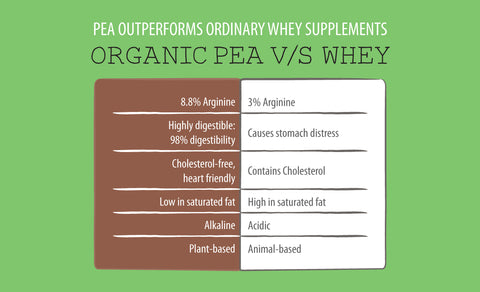
Dairy-based protein powders can cause acid reflux. Common dairy-based protein powders include casein and whey protein powder, both of which are byproducts of cheese and yogurt production. If your casein or whey protein powder causes acne or stomach pain, it is time to look for a new protein powder. Fortunately, going dairy-free is easier than ever. Unfortunately, not all dairy-free protein powders are created equal.
Avoid food additives.
Most dairy-free protein powders are full of food additives. Although they are not necessarily bad for you in small quantities, food additives can add up quickly, especially if you drink a protein shake every day. At higher quantities, food additives can cause nasty side effects.
Essentially, because food additives are heavily processed, some people have trouble digesting them. They sit in our stomachs for longer, which can increase the likelihood that the stomach contents to flow back into the esophagus. This also gives the trillions of bacteria in our guts have more time to eat and release gas, which puts pressure on the lower esophageal sphincter (LES), the valve that separates the stomach from the esophagus. Over time, the LES can weaken and allow the stomach contents to flow back into the esophagus.
What exactly are food additives?
As a rule of thumb, food additives are ingredients that you cannot pronounce. Not sure what to look for? Here is a list of the most food common additives in protein powder:
acacia gum, acesulfame potassium, artificial flavors, aspartame, carrageenan, cellulose gum, dextrin, dextrose, gellan gum, guar gum, gum arabic, locust bean gum, maltodextrin, rice syrup solids, silica, sucralose, xanthan gum, xylitol, etc.
Go Original or Unflavoured.
As a rule of thumb, if you have sensitivities that you are unsure of that may be causing you GERD, by way of elimination to identify the source is one the best ways to know your body better.
Many of our customers choose our Original Pea or Soy that is unflavored, unadulterated and nothing artificial to help them live a bloat free life.
GERD-Friendly Protein Powders from Soluxe
All Soluxe products are JAIS & JAKIM halal-certified, free from artificial additives, and formulated to be gentle on sensitive stomachs.
- Original Pea Protein Isolate (Unflavoured) — Single-ingredient, zero additives. The safest option for acid reflux sufferers.
- Soy Protein Isolate (Unflavoured) — 92% protein content, no soy allergen issues with isolate form, dairy-free alternative.
- High-Fibre Pea Protein (Unflavoured) — Pea protein plus inulin prebiotic for added digestive support. Ideal if you also experience bloating.
- High-Fibre Soy Protein (Unflavoured) — High-protein soy isolate with prebiotic fibre. Great if pea protein isn't your preference.
Frequently Asked Questions About Protein Powder and Acid Reflux
Can protein powder cause acid reflux?
Yes — certain protein powders can trigger acid reflux, but it is usually the additives, not the protein itself. Common culprits include artificial sweeteners (sucralose, aspartame), thickeners (carrageenan, xanthan gum), and dairy-based proteins like whey and casein. Switching to a clean pea protein isolate with zero additives removes most of these triggers.
Is whey protein bad for acid reflux?
Whey protein is a dairy byproduct, and dairy is a known acid reflux trigger for many people. Whey can increase stomach acid production and is harder to digest than plant-based alternatives. If you experience heartburn or reflux after whey shakes, switching to a plant-based protein isolate — such as pea protein or soy protein — is a practical first step.
What is the best protein powder for GERD?
The best protein powder for GERD is one that is (1) plant-based, (2) free from artificial additives and sweeteners, and (3) highly isolated for easy digestion. Pea protein isolate meets all three criteria. Soluxe's Original Pea Protein Isolate is made with a single ingredient — European-sourced pea protein isolate — with no fillers, no sweeteners, and no flavouring that could irritate the stomach lining.
Can protein shakes cause heartburn?
Protein shakes can cause heartburn if they contain dairy, artificial sweeteners, high-fat ingredients (like coconut oil or MCT oil), or acidic flavourings (like citrus). To minimise heartburn risk, blend your protein powder with water or a non-dairy milk (oat or almond), avoid adding citrus fruits, and use an unflavoured protein powder so you control exactly what goes in.
Does pea protein help with acid reflux?
Pea protein does not directly treat acid reflux, but it avoids the common triggers that worsen it. Because it is plant-based, hypoallergenic, and free from lactose, it sits lighter on the stomach than dairy proteins. Many Soluxe customers with GERD and acid reflux sensitivities report that they can tolerate pea protein comfortably where whey caused problems. Our High-Fibre Pea Protein also contains inulin, a prebiotic fibre that supports digestive health.
Are protein shakes good for people with GERD?
Protein shakes can be a good option for people with GERD because they are easier to digest than heavy, solid meals — which can put pressure on the lower oesophageal sphincter. The key is choosing the right protein powder: plant-based, minimal ingredients, no artificial additives. Soluxe's entire range is JAIS & JAKIM halal-certified, free from common irritants, and formulated to be gentle on sensitive stomachs.

Reference:
https://www.webmd.com/heartburn-gerd/guide/reflux-disease-gerd-1
Khoshoo V, Zembo M, King A, Dhar M, Reifen R, Pencharz P. Incidence of gastroesophageal reflux with whey- and casein-based formulas in infants and in children with severe neurological impairment. J Pediatr Gastroenterol Nutr. 1996 Jan;22(1):48-55. doi: 10.1097/00005176-199601000-00008. PMID: 8788287.
https://www.drinkwholesome.com/the-best-protein-powder-for-gerd/
https://thesurgicalclinics.com/8-foods-bad-for-gerd/#:~:text=Milk%20and%20dairy%20products%20are,the%20lower%20esophageal%20sphincter's%20function.
https://www.gerdhelp.com/blog/gerd-diet-what-foods-to-limit-or-avoid/
Farahmand F, Najafi M, Ataee P, Modarresi V, Shahraki T, Rezaei N. Cow's Milk Allergy among Children with Gastroesophageal Reflux Disease. Gut Liver. 2011;5(3):298-301. doi:10.5009/gnl.2011.5.3.298
